Analyzing the global trade dynamics, regulatory pressures, and market demands driving the transition to vacuum-insulated thermal carafes.
The global commercial food service, hospitality, and healthcare sectors are witnessing a major paradigm shift toward thermodynamic efficiency and strict health standards. The commercial thermal carafe market has graduated from simple table service accessories to high-performance heat preservation engineering. Under strict guidelines from bodies like NSF International, FDA, and LFGB, B2B procurement operations are seeking manufacturers capable of delivering thermal carafes that prevent bacterial growth, maintain temperature requirements, and stand up to rigorous sanitization schedules.
Modern workplaces, corporate offices, smart hotels, and public healthcare facilities are abandoning single-use, energy-consuming warming plates. Direct heating elements degrade beverage quality and oxidation speeds. These settings are turning to high-vacuum thermal carafes instead. By keeping beverages hot or cold for over 24 hours without external energy sources, businesses optimize their energy consumption. At the same time, they protect flavor profiles and maintain absolute safety compliance.
Explore the metallurgical advancements and thermal engineering principles behind our custom OEM/ODM solutions.
Developing high-performance stainless steel thermal carafes requires careful control of heat transfer. Heat is lost in three ways: convection, conduction, and radiation. Industrial-grade carafes are built with a double-wall structure made of food-grade SUS304 (18/8) or SUS316 (18/10) stainless steel. The air between these inner and outer walls is evacuated under ultra-high vacuum conditions (typically down to 10^-5 Torr) at temperatures exceeding 1000°C. This eliminates convection and conduction losses.
To reduce radiant heat transfer, a microscopically thin layer of copper or silver is plated onto the outer side of the inner steel wall. This reflective layer acts as a mirror, bouncing infrared energy back into the beverage chamber. Combined with high-density silicone gaskets, food-safe polypropylene (PP) caps, and ergonomic levers, these carafes achieve a heat decay curve of less than 2°C per hour, maintaining hot coffee above 70°C even after 12 hours of storage.
Internal copper lining reduces radiant heat loss by up to 30%, keeping beverages hot or cold for extended periods without external power.
Utilizing high-precision robotic laser welding ensures airtight vacuum seals, eliminating leak risks and structural failures under high mechanical pressure.
Standardizing on SUS316 inner liners prevents pit corrosion from highly acidic beverages like coffee, fruit juices, and carbonated liquids.
Understanding the exact requirements of B2B procurement, supply chain, and quality assurance executives.
Experienced B2B buyers know that a cheap thermal carafe often comes with hidden costs, like poor vacuum retention, leaking seals, or metallic tastes. Sourcing teams prioritize factories with robust, verifiable quality management systems. Essential procurement parameters include:
A premier manufacturing base integrating R&D, advanced fabrication, and global distribution of stainless steel kitchenware.
Located in the vibrant and economically dynamic region of the Chaoshan plain in Shantou, Guangdong Province, Guangdong Kaus Kitchen Co., Ltd. benefits from a strong manufacturing foundation and rich tradition in stainless steel and kitchenware production. The company is a modern, comprehensive enterprise integrating research and development, manufacturing, sales, and service, specializing in high-quality stainless steel kitchenware, hotel supplies, and household tableware products. Guided by the core business philosophy of “quality first, customer foremost,” Kaus Kitchen is committed to delivering durable, safe, and innovative kitchen solutions to global customers.
The company has obtained ISO9001 International Quality Management System certification and ISO14001 Environmental Management System certification, ensuring strict standards in product quality control and sustainable production practices. In addition, several of its products have passed national safety and compliance certifications, including CCC certification for applicable electrical or regulated items. This robust quality management framework guarantees that every production run meets international food-grade standards and regulatory compliances.
Through continuous innovation and technological investment, Guangdong Kaus Kitchen Co., Ltd. has been awarded multiple honors such as “Guangdong Famous Brand Product” and “Guangdong Contract and Credit Enterprise,” reflecting its strong reputation in both domestic and international markets. The company also holds a number of patents in product design and manufacturing processes, demonstrating its commitment to innovation and product differentiation.
With a modern production base covering approximately 30,000 square meters, the company operates in a well-planned garden-style industrial park featuring advanced manufacturing facilities, efficient logistics systems, and a comfortable office environment. A dedicated workforce of over 100 skilled employees ensures stable production capacity, rapid lead times, and consistent product quality, even during seasonal peaks.
Witness our precision-engineered, step-by-step manufacturing process that turns raw steel into high-performance thermal vessels.
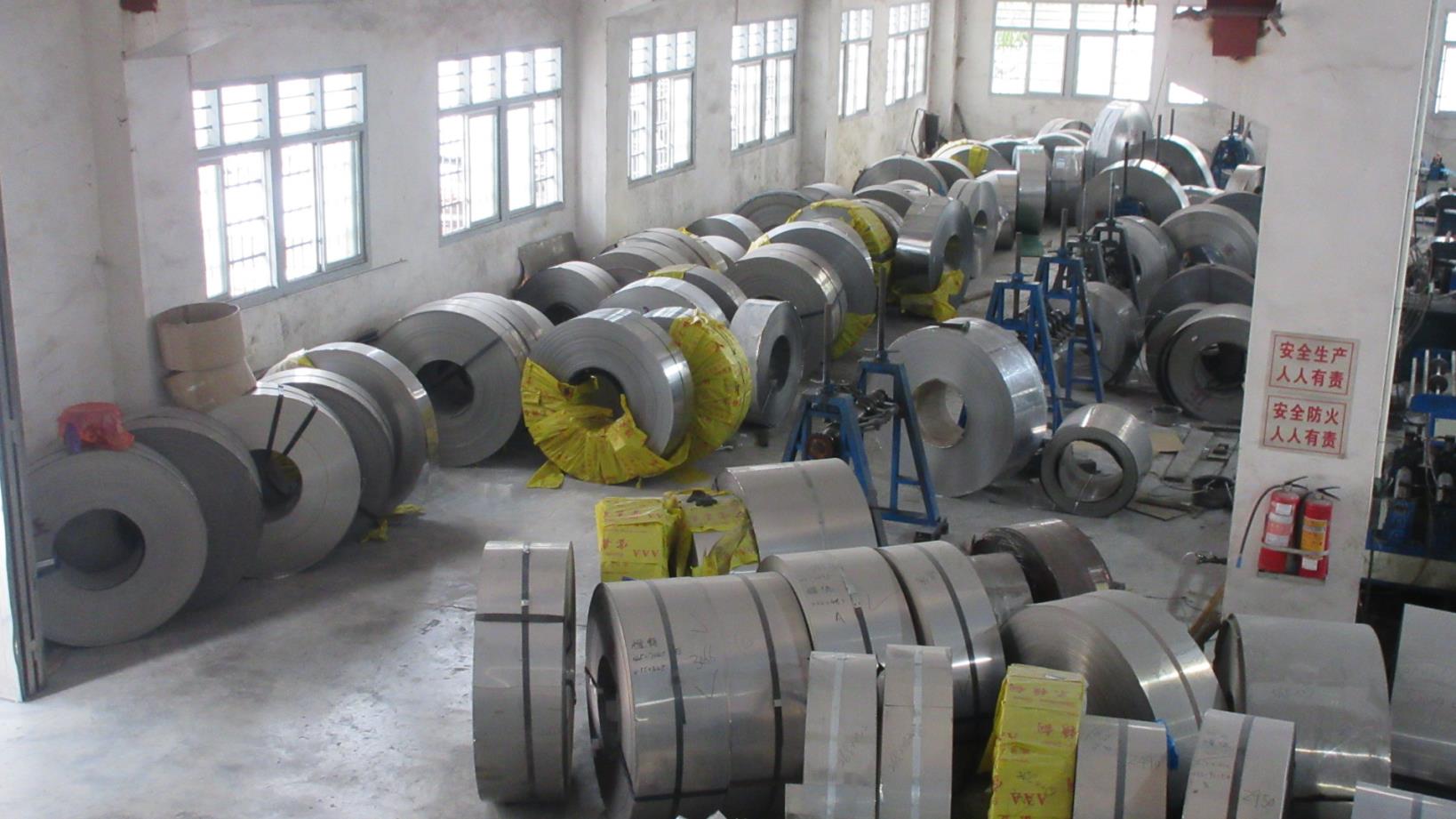
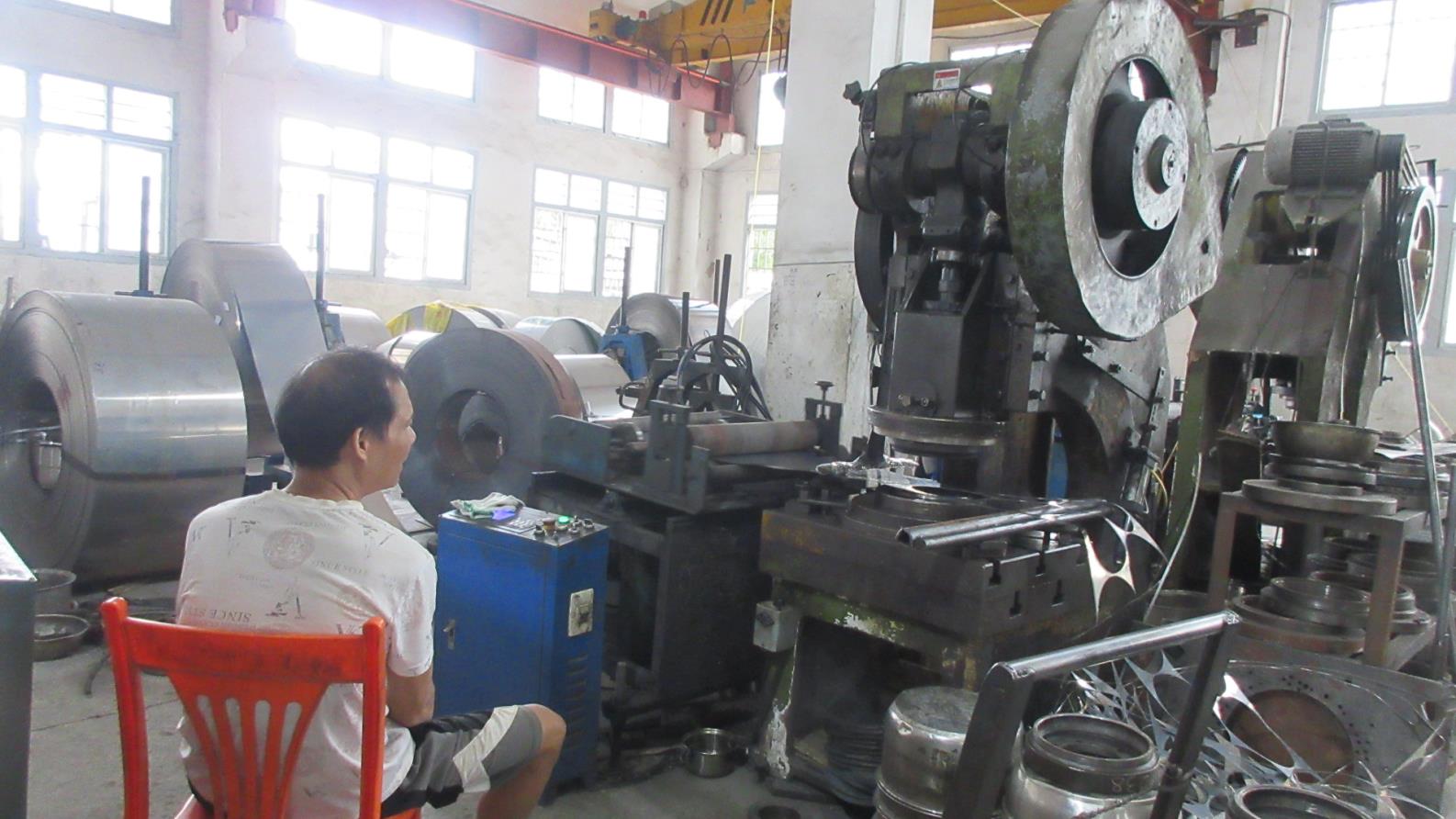
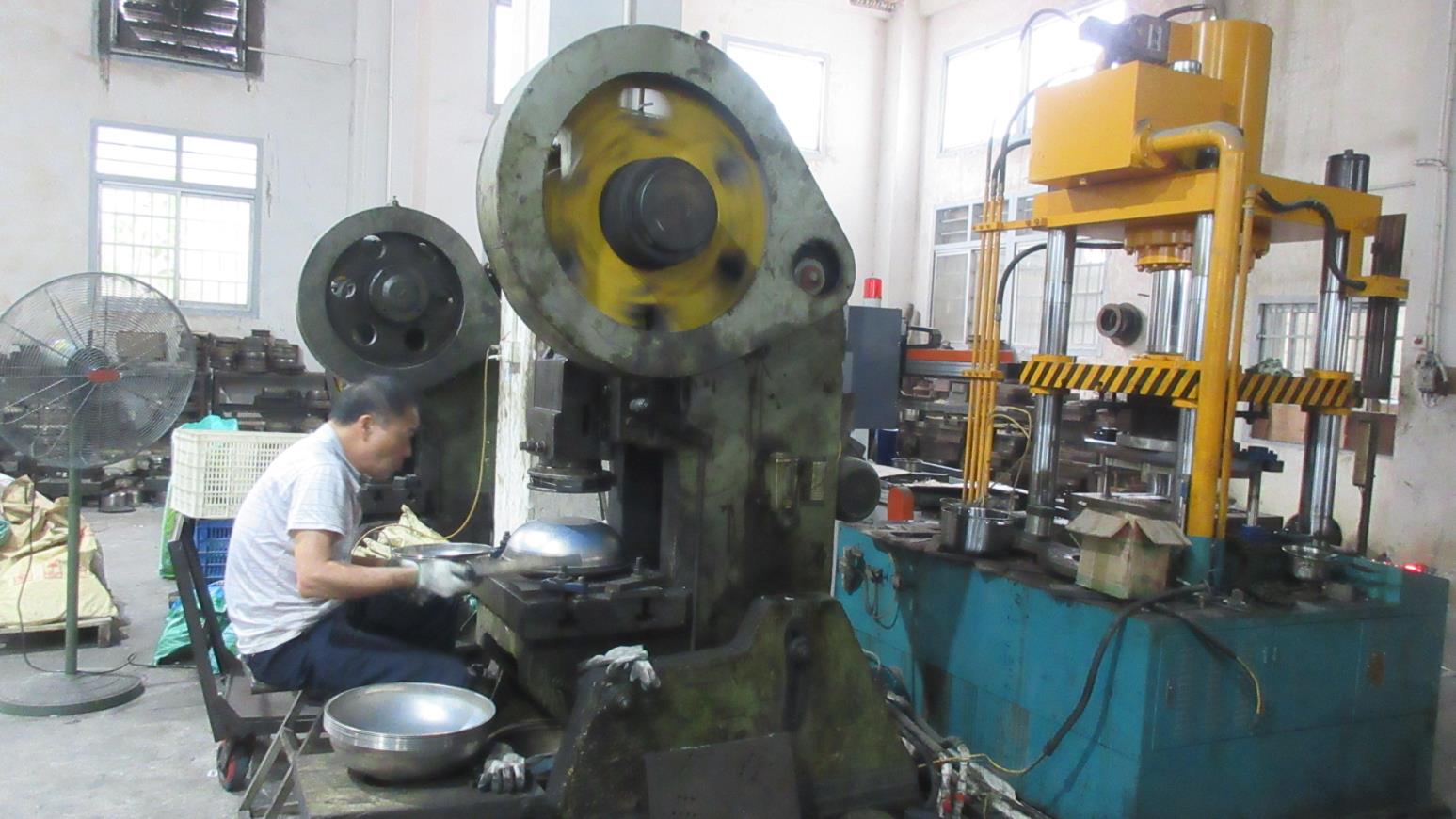
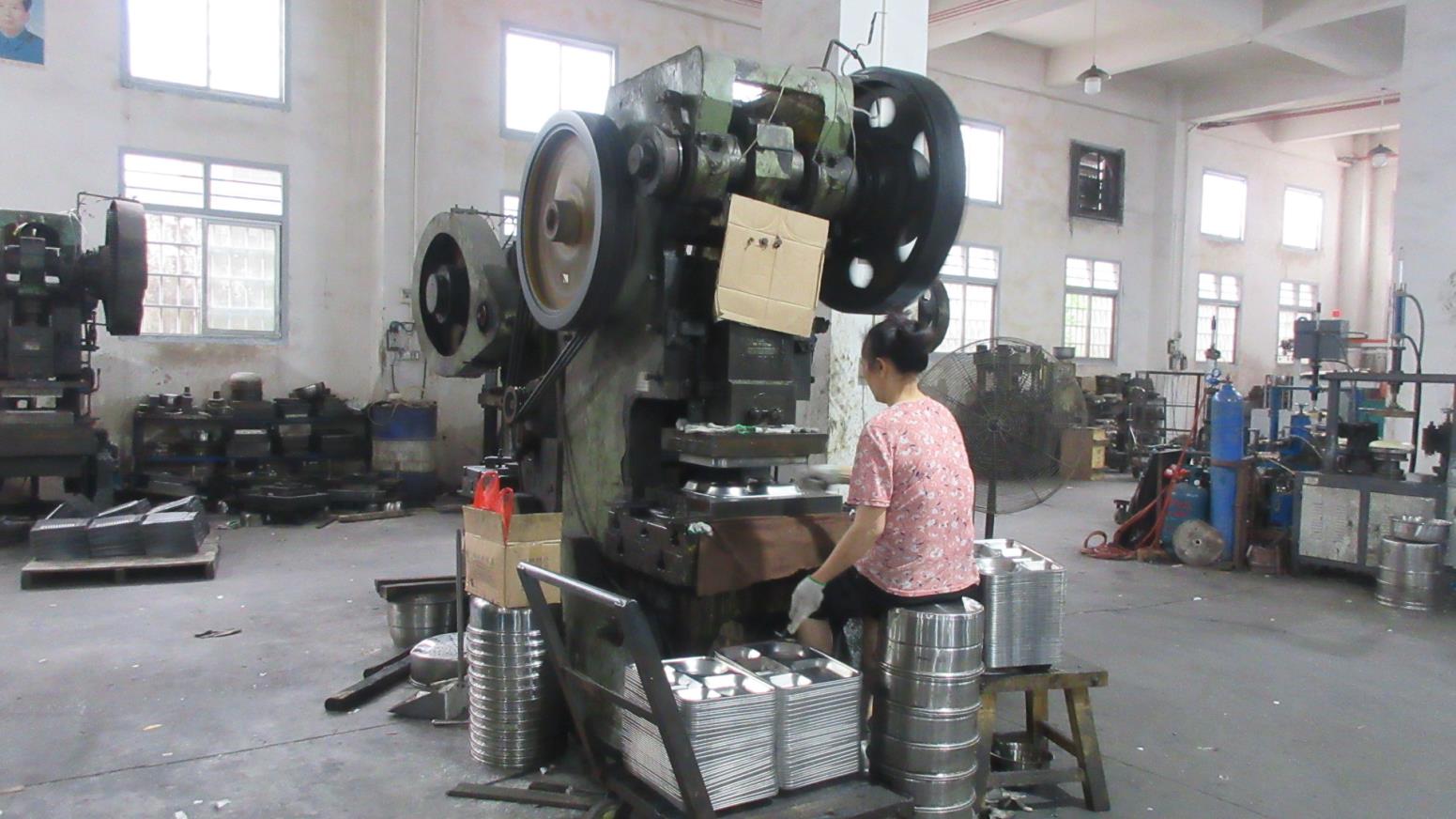
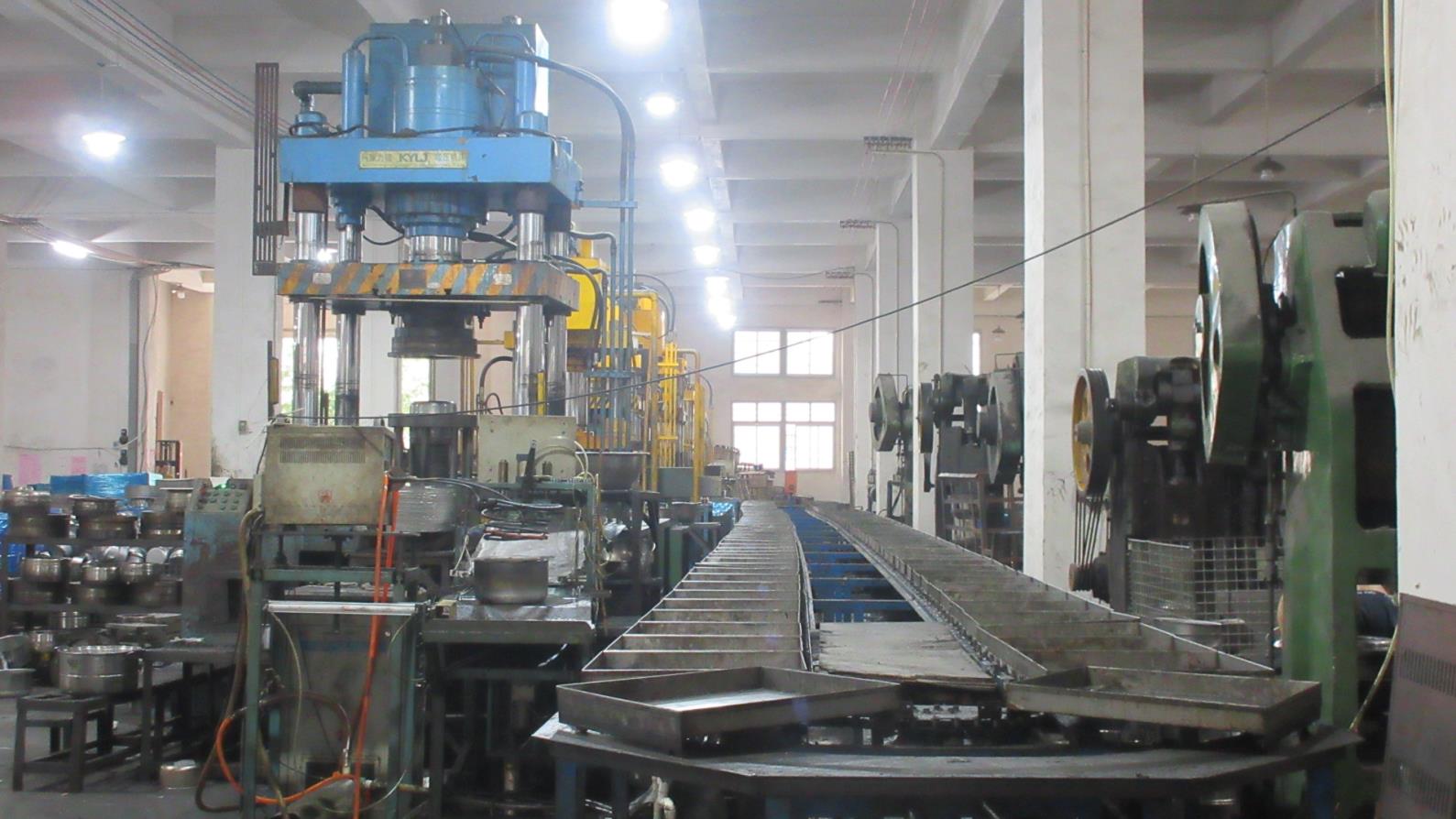
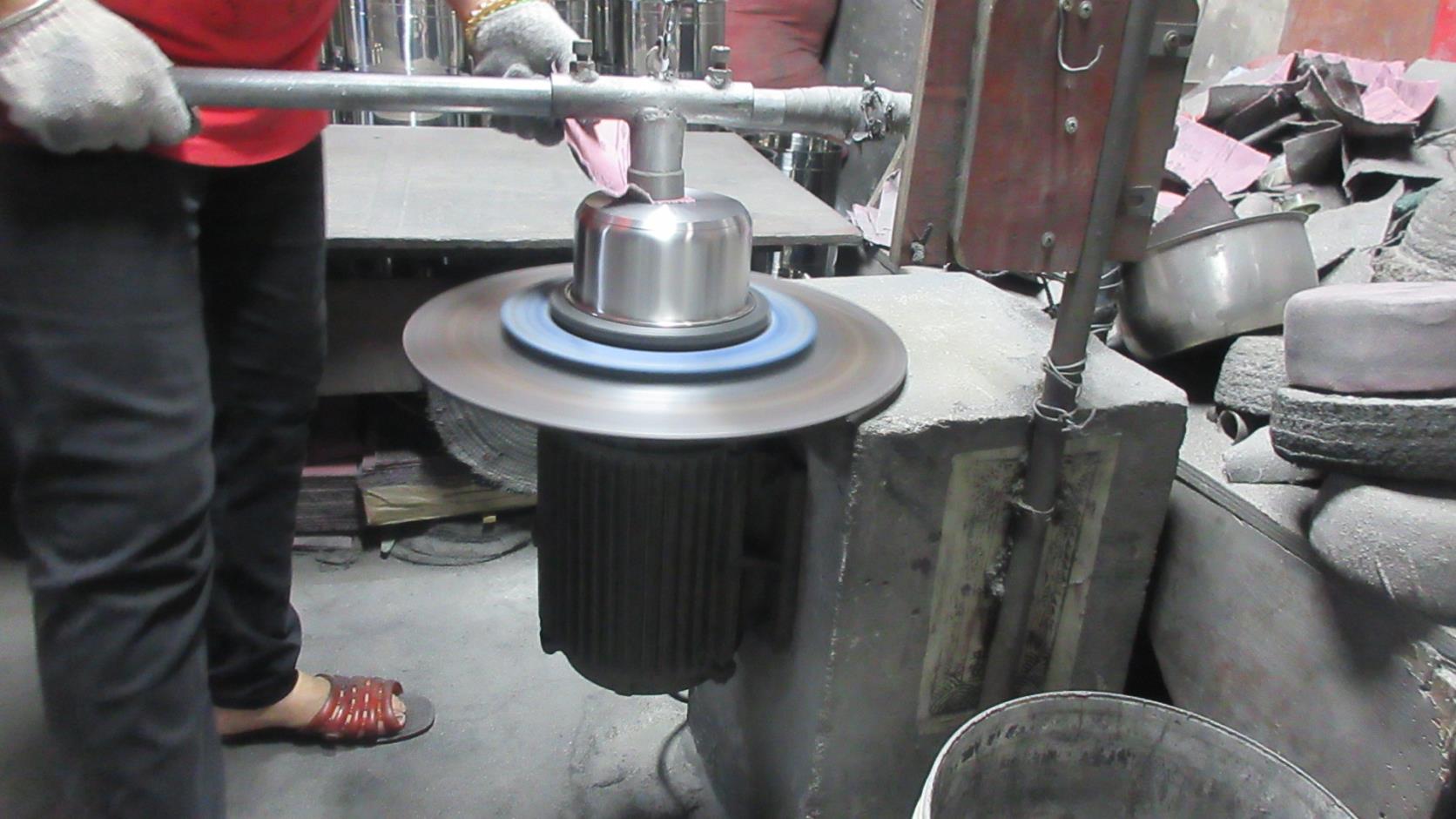
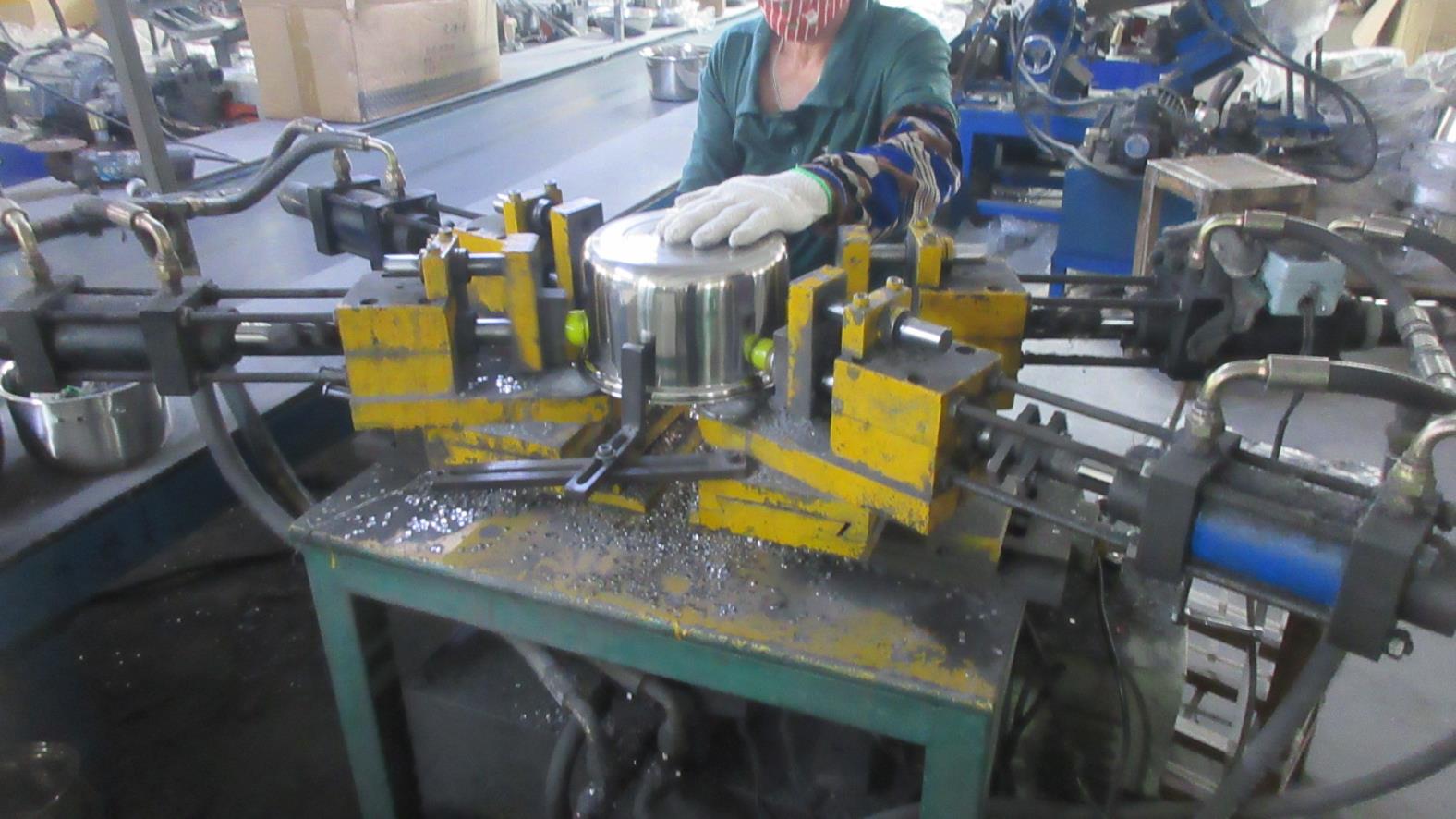
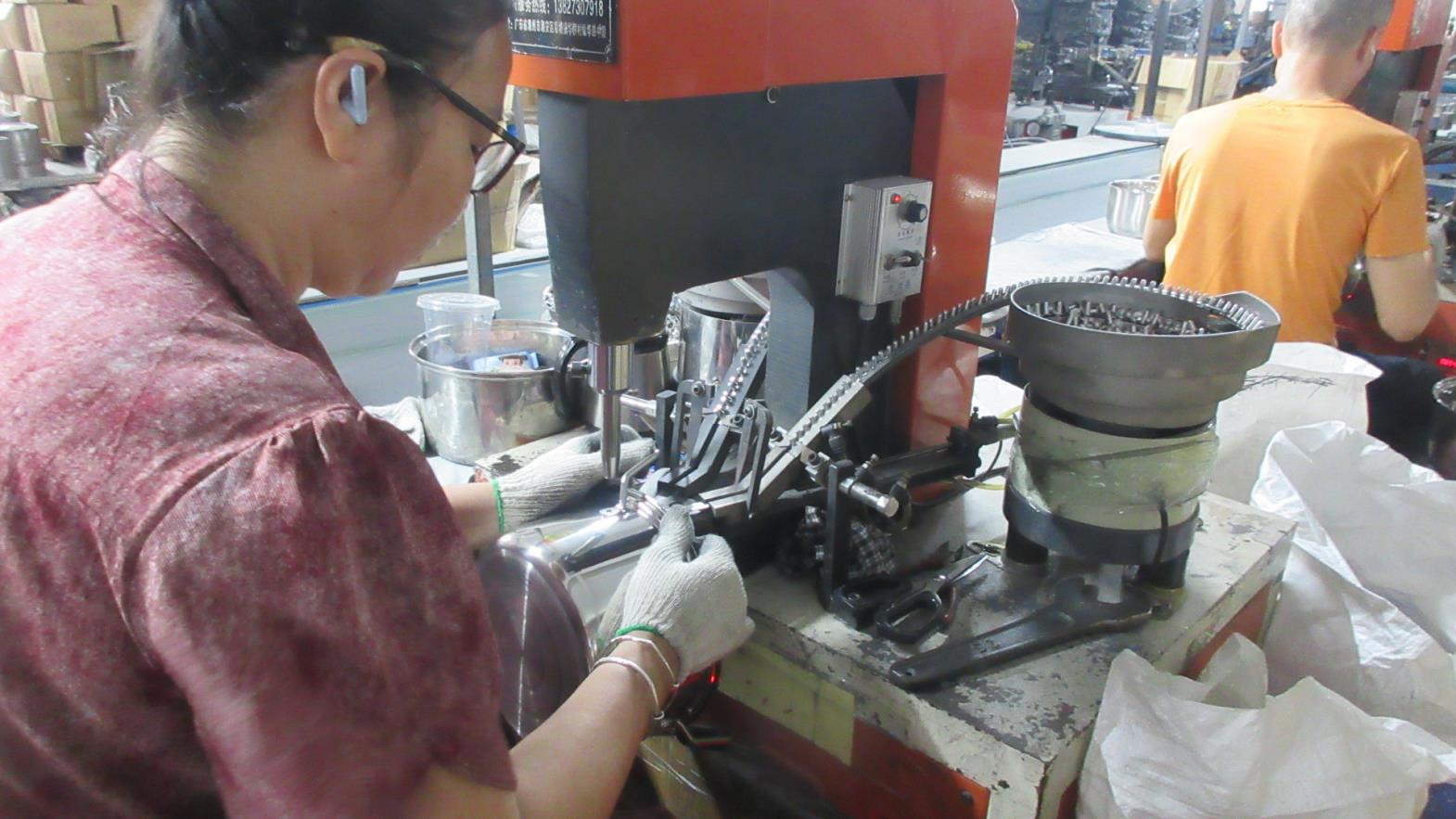
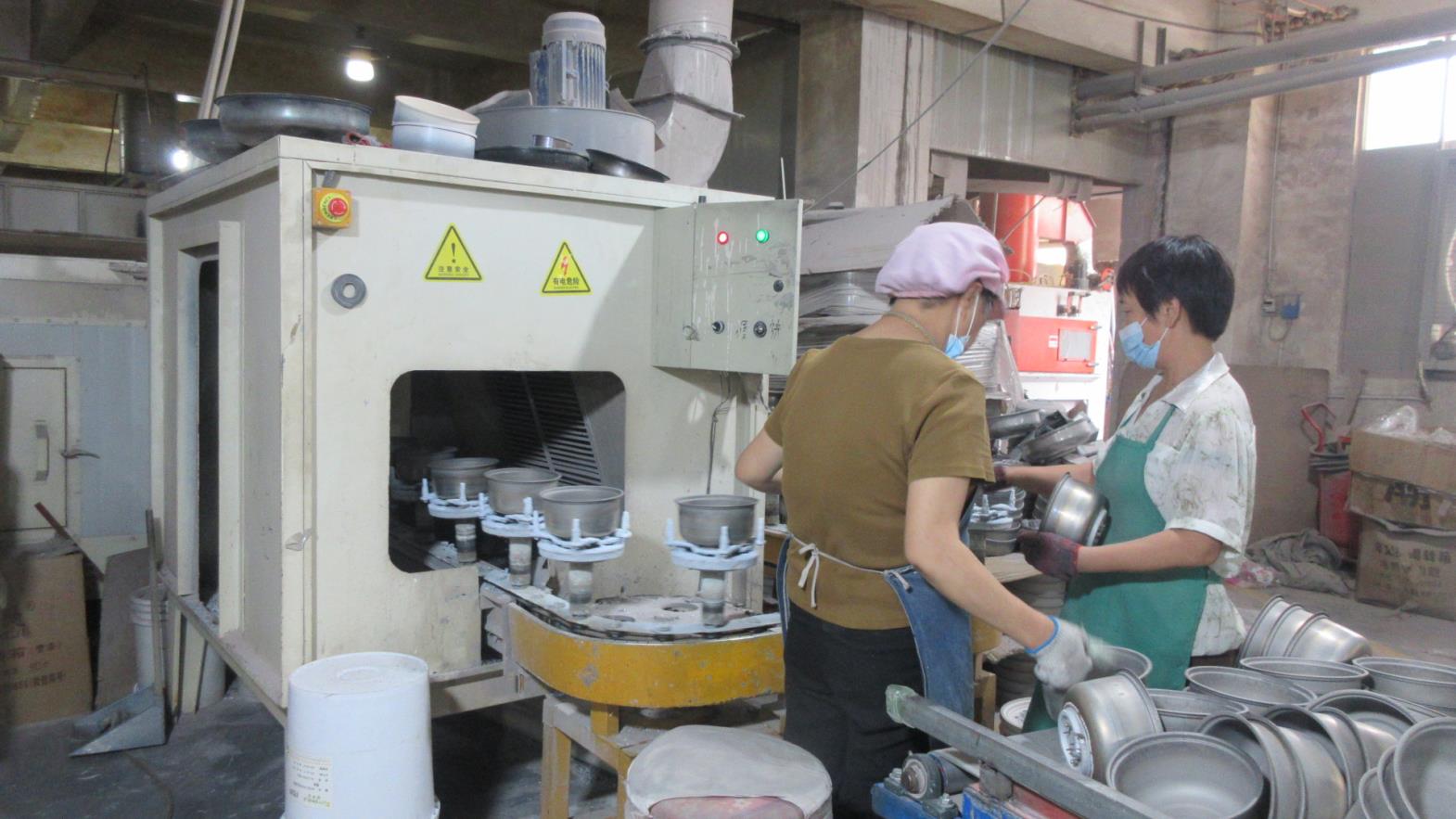
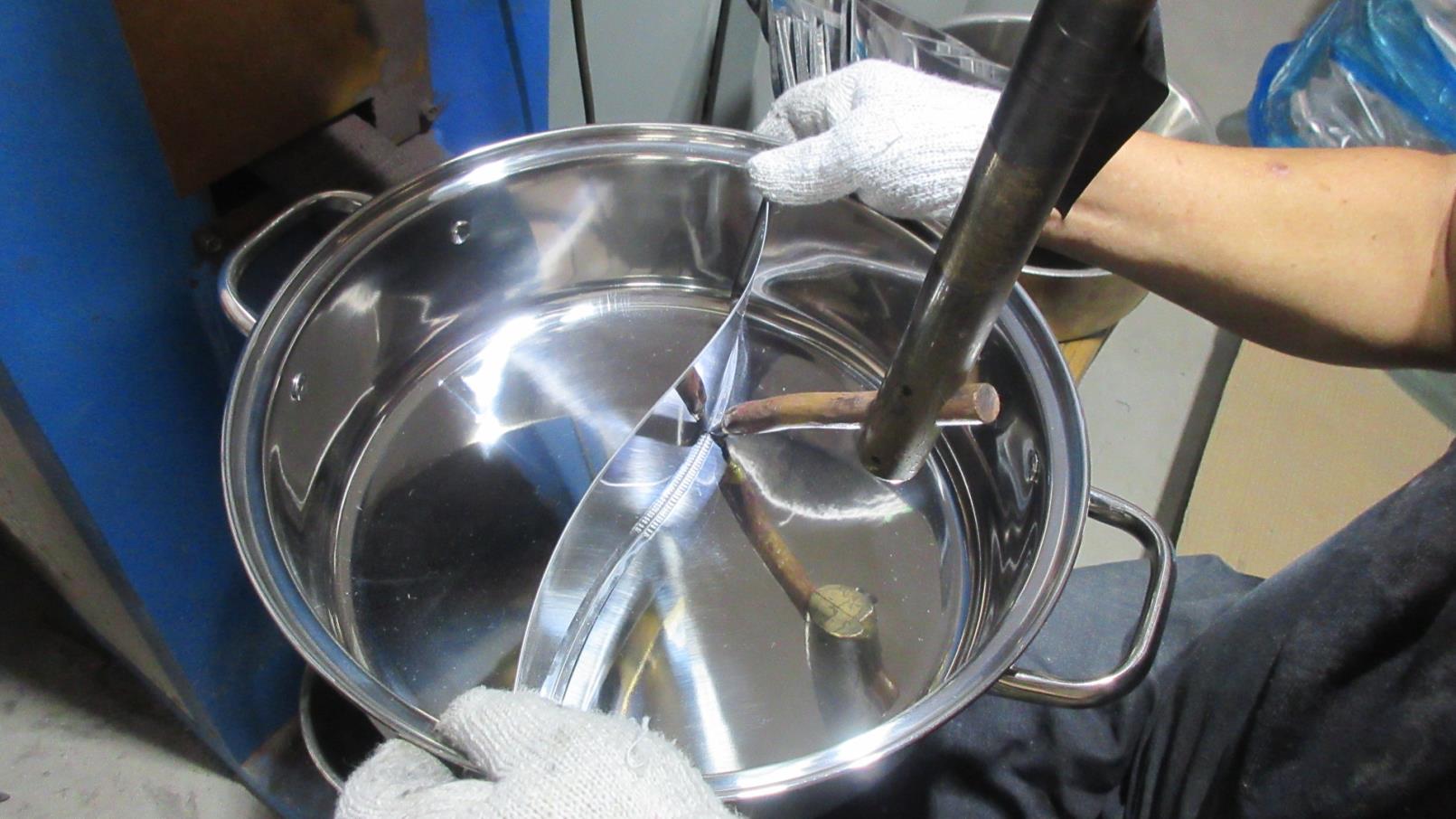
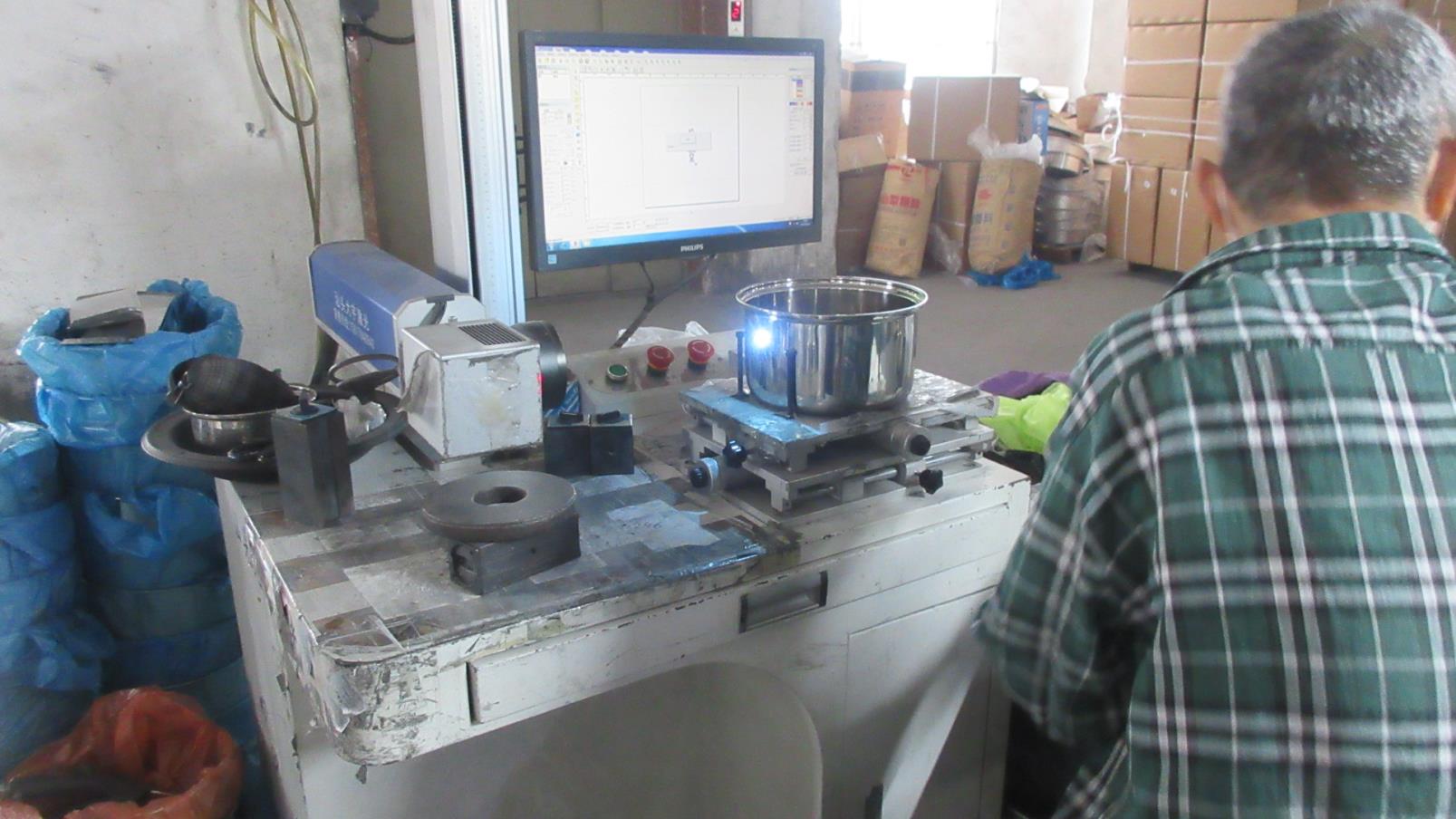
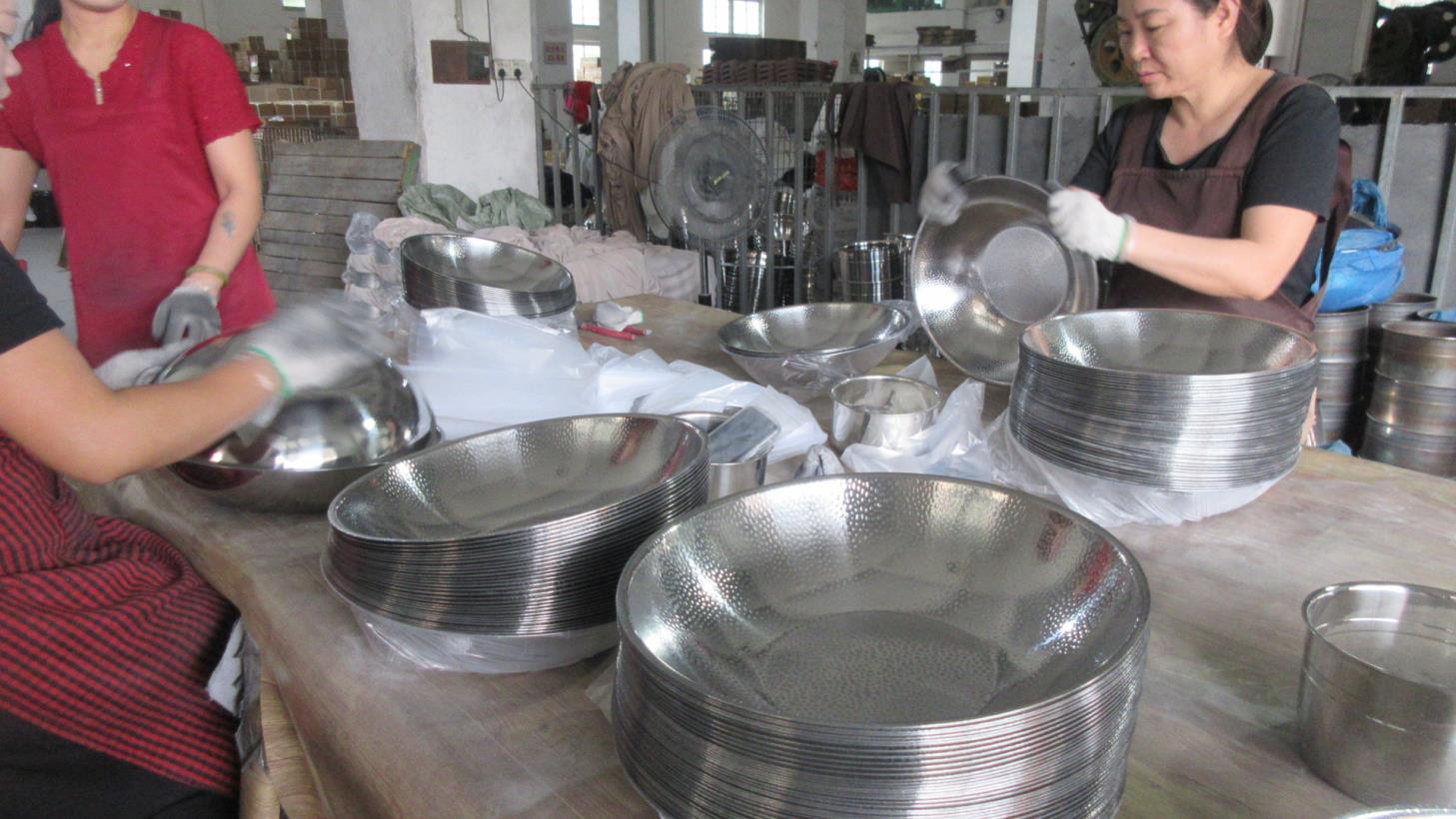
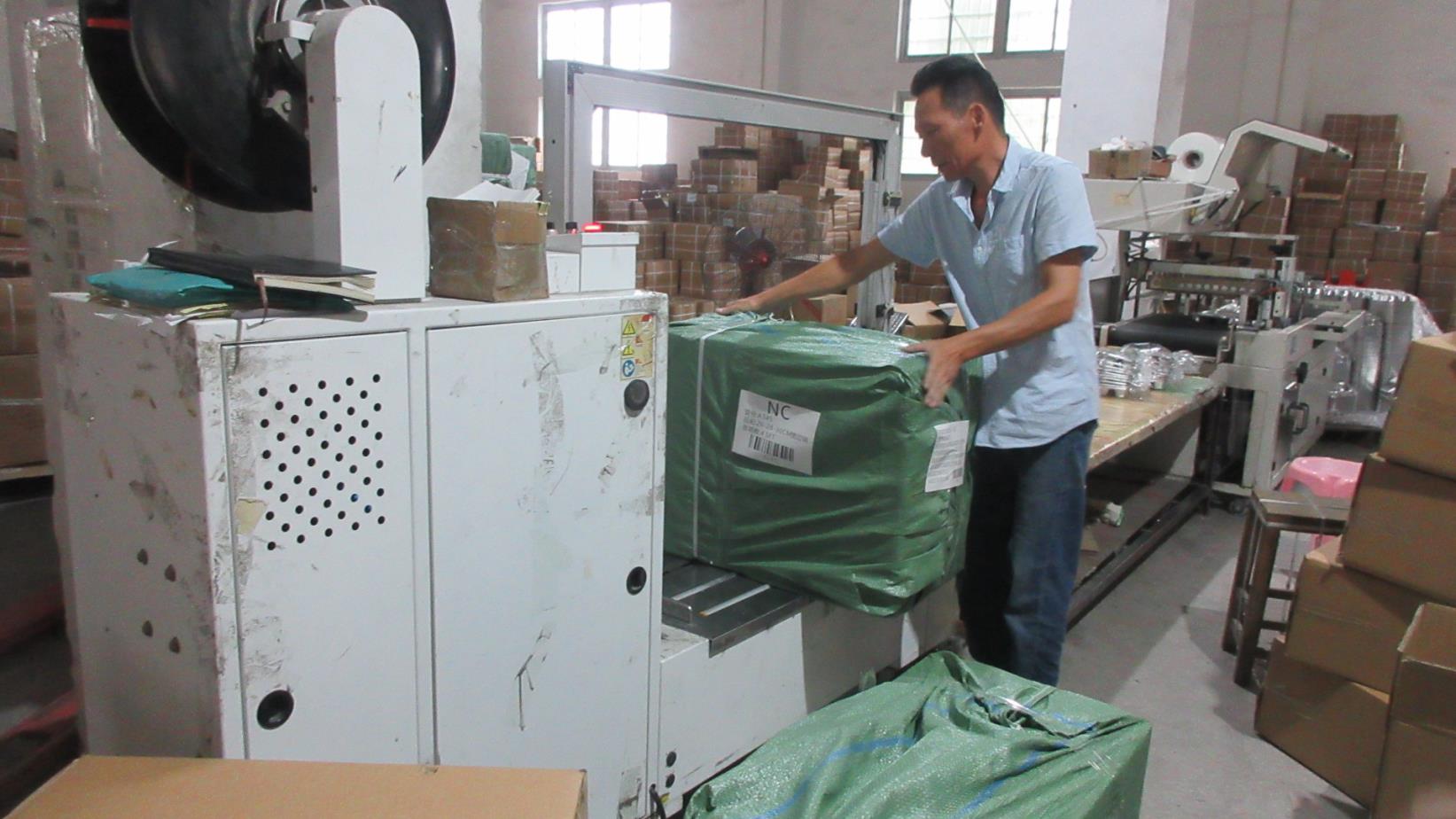
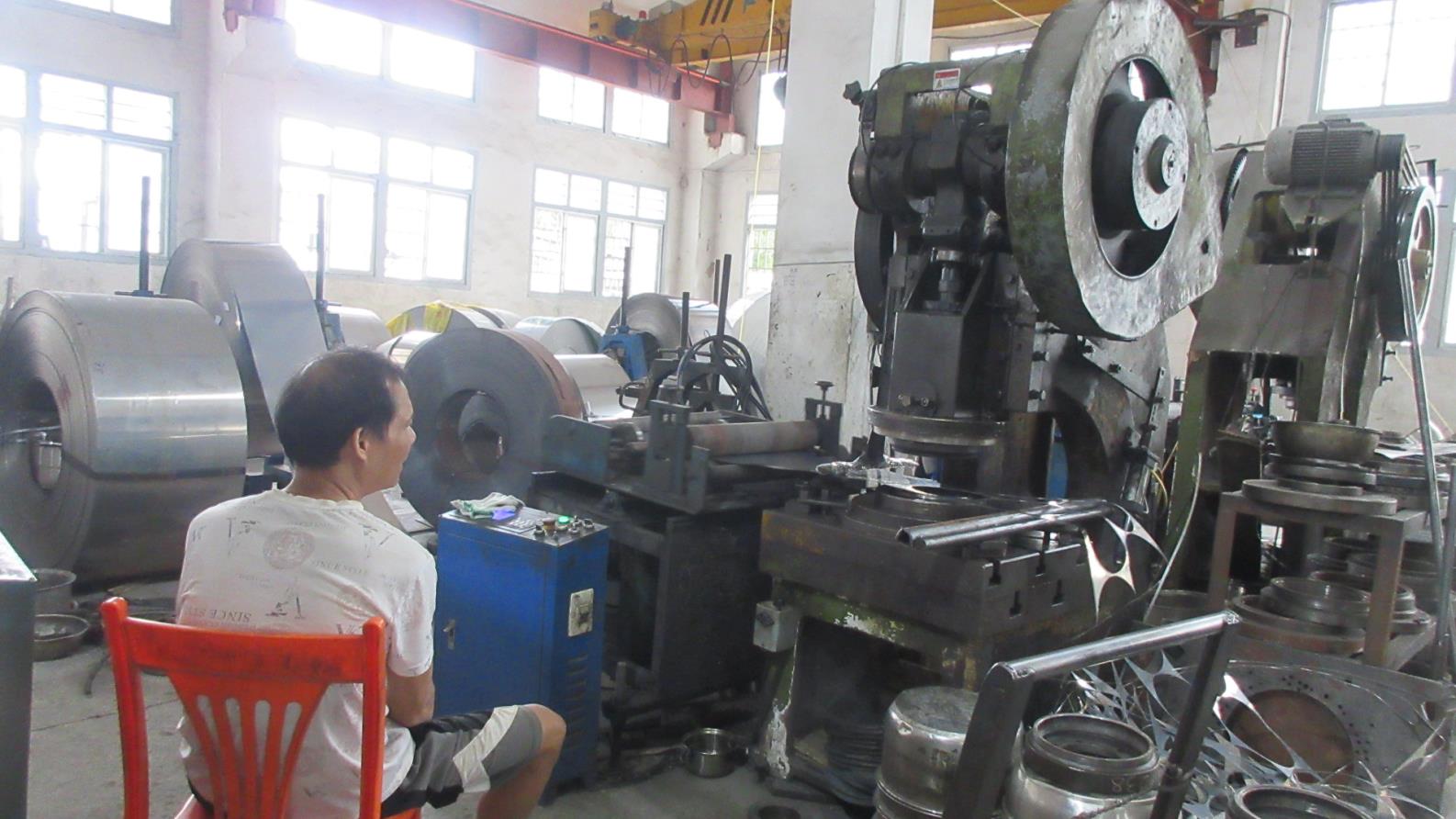
Leveraging automated production networks and regional metal-working ecosystems to guarantee stable supply chains.
As international supply chains face increasing disruptions, Guangdong Kaus Kitchen's smart manufacturing infrastructure gives global B2B clients a clear competitive advantage. By introducing Factory 4.0 elements—like automatic cutting, robotic welding arms, and centralized vacuum chamber controls—we reduce labor variances while speeding up production times. This automation helps prevent standard manufacturing defects, such as unstable welding beads or uneven powder coats, which are common in manual production lines.
Located in the heart of Shantou's stainless steel manufacturing cluster, we have direct, cost-efficient access to raw materials and specialized components. From high-quality steel coils to custom-molded silicone seals and eco-friendly packaging materials, our entire supply chain is sourced within a 50-kilometer radius. This geographic proximity protects our clients from raw material shortages. It also shortens prototype design times and allows us to offer flexible MOQ adjustments that help businesses manage market volatility.
See how our premium OEM/ODM thermal carafes perform across different commercial sectors and environments.
Designed for busy offices, featuring leakproof systems, easy push-button pouring, and long temperature retention to minimize beverage waste and mess.
Constructed with electropolished SUS316 stainless steel to ensure sanitation, resist scaling, and meet strict hospital disinfection requirements.
Built with double-wall impact resistance and durable steel handles, perfect for the demanding, high-traffic service requirements of restaurants and hotels.
Get professional answers to key technical, chemical, and logistics questions commonly asked by global procurement teams.
For standard OEM projects with custom color finishes and laser branding, our typical production lead time is 35 to 45 days after design approval and deposit receipt. ODM projects requiring custom molding or complex lid alterations may require an additional 25 days for prototyping and tooling trials.
We work exclusively with certified premium steel mills. Every raw material shipment comes with certified mill test reports. Additionally, our finished products are tested by independent labs like SGS, Intertek, or TÜV Rheinland to verify full compliance with FDA, LFGB, and European chemical regulations.
Yes, our automated finishing department offers a wide range of surface options, including matte powder coating, high-gloss painting, metallic spray finishes, and PVD plating. These coatings are wear-resistant and designed to withstand high commercial kitchen temperatures and dishwasher sanitizing cycles.
We perform a two-stage quality test on 100% of our production runs. First, we use infrared sensors to detect temperature distribution right after the vacuum heating process. Second, after a 24-hour storage period, we test the thermal retention of the completed batch to identify and remove any slow-leaking vessels.
 Kaus Kitchen