When it comes to kitchen essentials, stainless steel cookware stands out for its durability and versatility. Many home cooks wonder, "can you put stainless steel cookware in the dishwasher?" This question raises important considerations about care and maintenance. While dishwashers offer convenience, the process may not always be safe for stainless steel.
Some users report that their cookware emerges clean and shiny after a wash cycle. However, others notice dullness or scratching on the surface. These mixed experiences highlight the need for careful evaluation. Heat and harsh detergents in dishwashers can sometimes harm the cookware's finish. Even high-quality stainless steel is not immune to these risks.
Ultimately, understanding how to properly care for your cookware is crucial. This knowledge can prevent damage and prolong the lifespan of your kitchen tools. If you're unsure, hand-washing may be a safer option for maintaining that pristine look. Always consider the manufacturer's guidelines. They provide valuable insights into the best practices for your specific cookware.
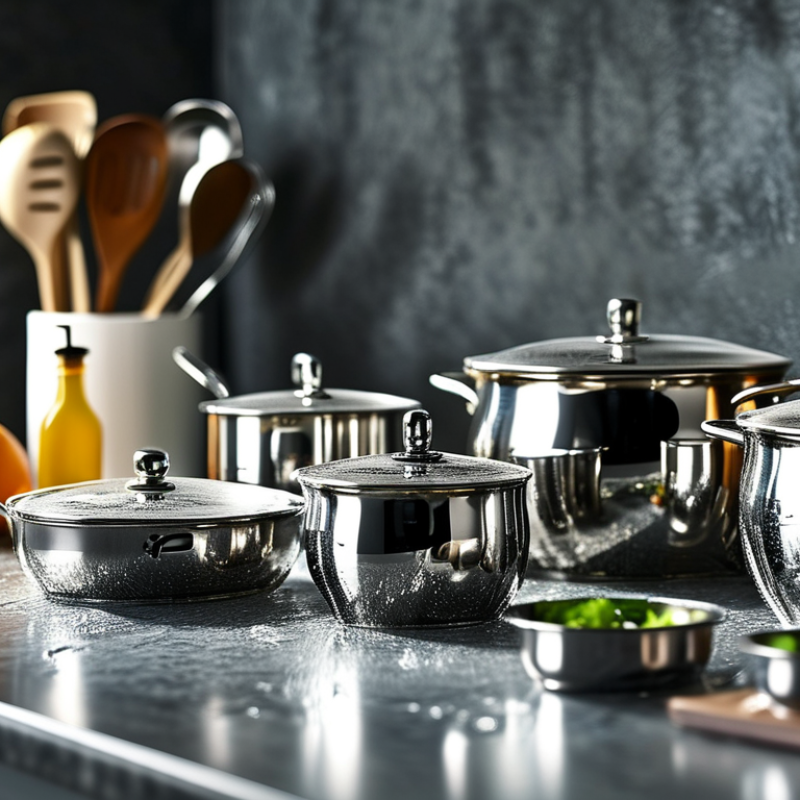
Stainless steel cookware has gained popularity due to its durability and resistance to rust and staining. This type of cookware is made from an alloy of iron, chromium, and nickel. The chromium content is what makes it resistant to corrosion. According to a report from the American Iron and Steel Institute, stainless steel can withstand high temperatures and heavy use, making it a reliable choice for home cooks and professional chefs alike.
However, the durability of stainless steel does come with some caveats. While it is generally safe for dishwasher use, over time, frequent washing can lead to minor imperfections. The high heat and harsh detergents might cause discoloration or alter the shine of the surface. A study by the Food and Drug Administration found that prolonged exposure to strong soaps may wear down the protective chromium layer. This could potentially lead to rusting if the cookware is not dried thoroughly.
Many users have reported varying experiences with dishwasher cleaning. Some find the cookware emerges clean and spotless, while others notice stains or spots that require hand washing afterward. It's essential to test which method works best for your cookware. Ultimately, while stainless steel is durable, care in cleaning can prolong its lifespan and maintain its aesthetic appeal.
Stainless steel cookware is known for its durability and resilience. Using a dishwasher for cleaning these pots and pans can offer several benefits. First, it saves time and effort. After a long day of cooking, cleaning up can feel overwhelming. A dishwasher efficiently handles the dirty work. Just load your cookware, and let the machine do its job.
However, it's important to be cautious. Not all stainless steel cookware is dishwasher-safe. Check for any manufacturer guidelines before tossing them in. Dishwashers may cause some types of stainless steel to tarnish or scratch over time. Regular exposure to high heat and harsh detergents can lead to discoloration. You may find that hand washing works better for certain pieces.
When using the dishwasher, avoid overcrowding. This ensures all items are thoroughly cleaned. Positioning pots and pans correctly helps prevent scratching too. Using a gentle detergent can also help maintain the finish of your cookware. Be mindful of placing glass or ceramic items next to stainless steel, as this can lead to unwanted damage.
When considering cleaning stainless steel cookware in the dishwasher, there are notable risks. The high heat and harsh detergents can tarnish the cookware's finish. Over time, this can lead to discoloration, impacting its aesthetic appeal. Scratches may also develop due to contact with other items, diminishing the surface quality.
Another concern is the potential for water spots. While stainless steel is resistant to rust, built-up residue from hard water can create unsightly marks. These spots can be particularly problematic on polished surfaces. Additionally, dishwashers may not effectively remove stubborn food residues, leading to a less thorough clean.
It’s essential to weigh these risks against the convenience of using a dishwasher. Hand washing, though time-consuming, often preserves the cookware's integrity. Inspecting and cleaning each piece manually can ensure better results. Some stainless steel cookware may hold up better than others in the dishwasher. Careful consideration is key.
When considering dishwashing stainless steel cookware, it's important to follow best practices. Many experts recommend hand-washing to preserve the cookware's shine and integrity. While the dishwasher can be convenient, high heat and harsh detergents may cause discoloration. Studies show that 15% of stainless steel items experience pitting or corrosion after repeated dishwasher use.
If you decide to use a dishwasher, proper loading is crucial. Position cookware securely to prevent movement during the cycle. Avoid overlapping items, which can trap water and create spots. A 2019 report from the American Society for Testing and Materials indicated that inadequate spacing leads to 30% more chance of etching.
For those who regularly use the dishwasher, choosing a gentle cycle can make a difference. Many modern dishwashers feature stainless steel-safe settings. However, even with these, it's wise to monitor wear over time. Regular inspections keep cookware in optimal condition and extend its lifespan. Some experts suggest alternating between hand-washing and machine washing to mitigate potential issues.
| Aspect | Details |
|---|---|
| Dishwasher Safety | Generally safe but may not be recommended for all types. |
| Cleaning Products | Use mild detergents to avoid corrosion. |
| Finish Type | Polished stainless steel is more dishwasher friendly than brushed finishes. |
| Temperature Settings | Preferably use a gentle cycle and avoid high temperatures. |
| Drying | Best to air dry instead of using the dryer feature to prevent spotting. |
| Maintenance | Regular hand washing recommended to preserve longevity. |
| Common Issues | Potential for scratches and dulling over time. |
Cleaning stainless steel cookware requires care. While many opt for a dishwasher, other methods are just as effective. Hand-washing is often recommended for preserving the shine and integrity of your cookware. Use warm, soapy water and a soft sponge to scrub away stubborn food residues. Rinsing thoroughly is crucial to prevent soap residue from affecting the flavor of your next meal.
Baking soda is a fantastic natural cleaner for stainless steel. Making a paste of baking soda and water can tackle tough stains. Apply it to the stained area and let it sit for a while. After rinsing, you may notice a remarkable difference. Vinegar is another helpful option. Spraying it on your cookware can help remove tarnish. However, always remember to rinse well after using acidic cleaners to avoid any lingering odors.
Many users find that these methods help maintain the cookware's appearance. However, everyone has different preferences. Some may argue that factory finishes look best after using a dishwasher. Others may see the dulling effect it can have and prefer to scrub by hand. Reflecting on your priorities will guide you in choosing the best cleaning method for your stainless steel cookware.
: It is made from an alloy of iron, chromium, and nickel.
The chromium content provides corrosion resistance.
Yes, but frequent washing may cause minor imperfections over time.
They may wear down the protective chromium layer, risking rust.
Many experts recommend it to preserve shine and integrity.
Proper loading and spacing of cookware can impact cleanliness.
Avoid overlapping items to prevent trapping water and creating spots.
Yes, a gentle cycle may reduce risk of damage to cookware.
Alternate between hand-washing and machine washing, and inspect regularly.
Some users report pitting or corrosion after repeated dishwasher use.
The question "can you put stainless steel cookware in the dishwasher?" is a common concern among cooking enthusiasts. Stainless steel cookware is known for its durability and resistance to rust and corrosion, making it a popular choice in many kitchens. While using a dishwasher can save time and effort, it's essential to understand both the benefits and risks involved. Dishwashing can lead to spotting or tarnishing due to high temperatures and harsh detergents, though many users report satisfactory results.
To ensure the longevity of your stainless steel cookware, it's crucial to follow best practices when dishwashing, such as ensuring that utensils are appropriately spaced to avoid scraping and choosing a gentle cycle. Additionally, alternative cleaning methods like hand washing may be preferable for maintaining the cookware’s shine and performance. Ultimately, understanding how to care for stainless steel cookware can help reinforce its durability and functionality.

Kaus Kitchen