Discolored stainless steel pots can be a common issue in many kitchens. According to John Smith, a renowned expert in cookware maintenance, "Proper care is key to ensuring longevity and appearance." Many people struggle with how to fix discolored stainless steel pots effectively. The discoloration can stem from heat exposure, mineral deposits, or even improper cleaning techniques.
To resolve this issue, kitchen enthusiasts often resort to various home remedies. Some common methods use simple ingredients like baking soda or vinegar. However, not all solutions yield positive results. It can be disheartening to see your favorite pots tarnished, despite your best efforts in cleaning. A trial-and-error approach may lead to mixed success, prompting users to rethink their cleaning strategies.
Understanding how to fix discolored stainless steel pots requires patience and a willingness to learn. It's essential to gather reliable methods backed by practical experience. By exploring effective techniques, you can restore your cookware while enhancing your cooking experience. Remember, the journey to maintaining your kitchen tools is just as important as the results.
Understanding Discoloration in Stainless Steel Pots
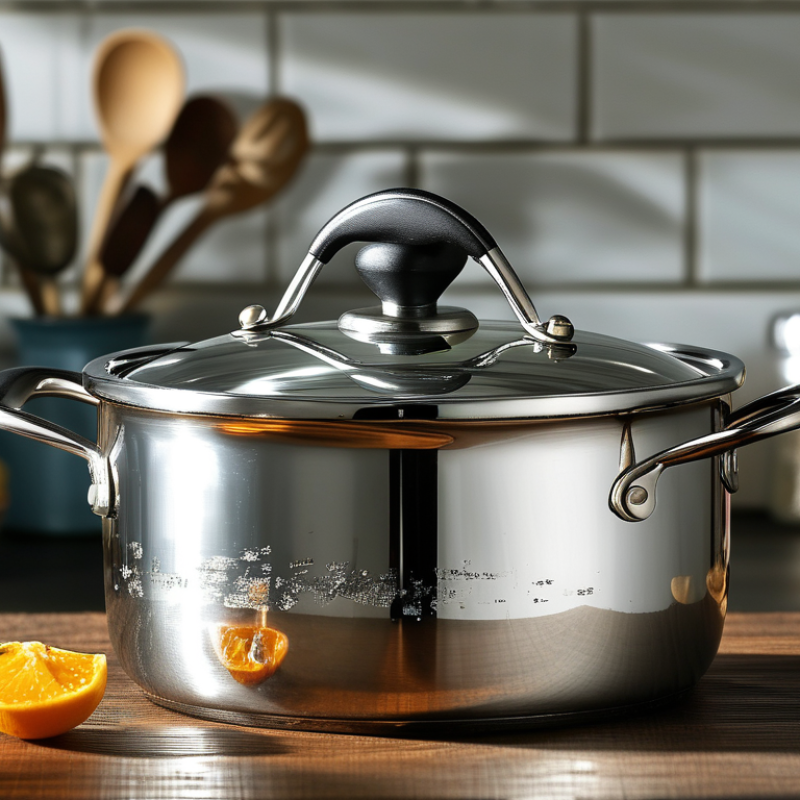
Discoloration in stainless steel pots is a common issue. It often occurs due to high heat, food residues, or mineral deposits from hard water. These pots can develop rainbow hues or dark spots that reduce their aesthetic appeal. Understanding what causes these stains helps in managing and preventing future discoloration.
When cooking, temperatures can rise quickly. Overheating stainless steel can cause a change in color. This is usually reversible, but frequent exposure makes it harder to restore the original shine. Additionally, acidic foods can leave marks. If they sit too long, stains become stubborn. Even mineral buildup from water can create a dull film.
Cleaning is essential yet can be tricky. Many people scrub too hard or use harsh chemicals, causing scratches. Gentle cleaning with baking soda and vinegar works well for most stains. Yet, some discoloration may linger despite best efforts. It's vital to embrace these imperfections and learn from the mistakes. This involves experimenting with different cleaning methods and being more mindful of cooking practices.
Common Causes of Stains on Stainless Steel Cookware
Discoloration on stainless steel cookware can be frustrating. A common cause is heat exposure. Cooking at high temperatures can cause the metal to develop a rainbow hue or discoloration. Using non-stick sprays often leaves residues that cling to the surface. This creates a film that can be hard to remove and affects the pot’s appearance.
Another frequent issue arises from the materials in food. Acidic foods, like tomatoes or vinegar, can react with the steel. This reaction may lead to staining if the cookware isn't cleaned immediately. Leftover food particles can also contribute to discoloration. They build up over time, especially if pots are improperly washed.
Lastly, hard water can leave mineral deposits on cookware. These stains make pots look dingy and unappealing. Regular cleaning and immediate attention to stains can help. Still, sometimes the marks remain, reminding us of previous cooking adventures. In these moments, it's essential to reflect on the use and care of kitchen tools.
Effective Household Remedies for Cleaning Discolored Pots
Discolored stainless steel pots often result from prolonged exposure to heat or certain foods. Fortunately, there are effective household remedies to restore their shine. One common method is using a paste of baking soda and water. Mix these two ingredients until they form a thick paste. Apply the paste onto the discolored areas and let it sit for about 15-20 minutes. Then, scrub gently with a soft sponge. Rinse thoroughly and dry to see the results.
Another great remedy involves vinegar. Vinegar is not only a natural cleaner but also acts as a mild acid. Soak a cloth in white vinegar and rub it on the stained areas. For stubborn stains, boil equal parts of water and vinegar in the pot for a few minutes. After boiling, let the pot cool, and then scrub the pot. This method often removes discoloration effectively.
Sometimes, we overlook the simplest solutions. Regular maintenance can prevent heavy discoloration. Ensure pots are cleaned promptly after cooking. Letting food residue sit can worsen stains. While these remedies work well, they may not fully eliminate all stains. Some discoloration might linger, reminding us that perfection isn’t always possible in the kitchen.
Step-by-Step Guide to Restoring Shine to Stainless Steel
Discolored stainless steel pots can be a common issue in many kitchens. Over time, these pots can lose their shine due to food residue, heat, or minerals from water. Restoring their luster doesn’t require expensive products; a few household items can do the trick.
Start by creating a paste with baking soda and water. Apply this mixture to the discolored areas using a soft cloth or sponge. Gently scrub in circular motions. It’s crucial not to use abrasive materials, as they can scratch the surface. Rinse thoroughly and dry with a soft towel. This method is often surprisingly effective, but results can vary. Some spots may require multiple attempts, revealing the need for persistence in this process.
For tougher stains, consider a vinegar soak. Fill the pot with equal parts vinegar and water, then bring it to a simmer. The steam helps lift stubborn discoloration. After about 10 minutes, let it cool, then scrub again. It might take more than one soak for serious stains. This can be frustrating, yet it illustrates the importance of patience in maintaining kitchenware. Regular care and maintenance can help prevent discoloration over time, but sometimes, you just have to roll up your sleeves and fix it yourself.
Stainless Steel Pots Restoration Effectiveness
Preventive Measures to Maintain Stainless Steel Cookware’s Appearance
Maintaining the appearance of stainless steel cookware requires regular attention. Industry reports indicate that stainless steel can develop discoloration from heat exposure and food residues. Proper cleaning techniques are essential. Using a mixture of baking soda and water can effectively remove stains without scratching the surface. A paste-like consistency can be applied directly to the discoloration. After a gentle scrub with a soft cloth, rinse it well to restore shine.
Preventive measures also play a crucial role in preserving cookware. Avoid cooking highly acidic foods in stainless steel, as they can lead to discoloration. Research shows that prolonged contact with acids can damage the surface. It's advisable to use lower heat settings. High temperatures not only affect food quality but can also contribute to tarnishing. Allowing cookware to cool before washing can prevent warping and maintain its integrity.
Stainless steel cookware requires thoughtful care. The materials are designed for durability, but neglect can lead to unwanted blemishes. Regular seasoning with oil can help create a protective layer. This simple practice not only enhances appearance but also improves cooking performance. Remember, even high-quality stainless steel can benefit from these thoughtful preventive measures.
FAQS
: Heat exposure and acidic foods can discolor stainless steel. Non-stick sprays may also leave difficult residues.
Use a paste of baking soda and water. Apply it, let sit, then scrub with a soft sponge.
Yes, vinegar is a natural cleaner. Soaking a cloth in vinegar or boiling vinegar and water helps.
Prompt cleaning prevents food from staining pots. Residue left too long can worsen discoloration and damage.
Hard water leaves mineral deposits that create unattractive stains. Regular cleaning minimizes these issues over time.
Results can vary. Some stains may require multiple treatments. Expecting perfection might lead to disappointment.
Avoid using abrasive materials. They can scratch the surface and exacerbate the problem during cleaning.
Regular care is essential. Clean after each use to prevent buildup. Ignoring this can lead to stubborn stains later.
Yes, but it may take time and persistence. Multiple applications of cleaning methods might be necessary for tough stains.
Not entirely. Some discoloration may remain, serving as reminders of cooking experiences. Accepting imperfections can be part of cooking.
Conclusion
To address the issue of how to fix discolored stainless steel pots, it is essential to first understand the common causes of discoloration, which can range from heat exposure to chemical reactions with food. Effective household remedies, such as using baking soda or vinegar, can significantly help in cleaning and restoring the pots. Additionally, following a step-by-step guide can enhance the shine of your stainless steel cookware, making them look almost new again.
Moreover, implementing preventive measures can help maintain the appearance of stainless steel cookware for the long term. Regular cleaning and proper cooking techniques not only keep your pots looking great but also extend their lifespan. By applying these strategies, anyone can easily resolve the issue of discoloration and enjoy their stainless steel pots for years to come.

 Kaus Kitchen